

Multi-Sport or Single Use? How to Decide What Kind of Sport Court Fits Your Family

Why This Decision Matters More Than Most Families Realize
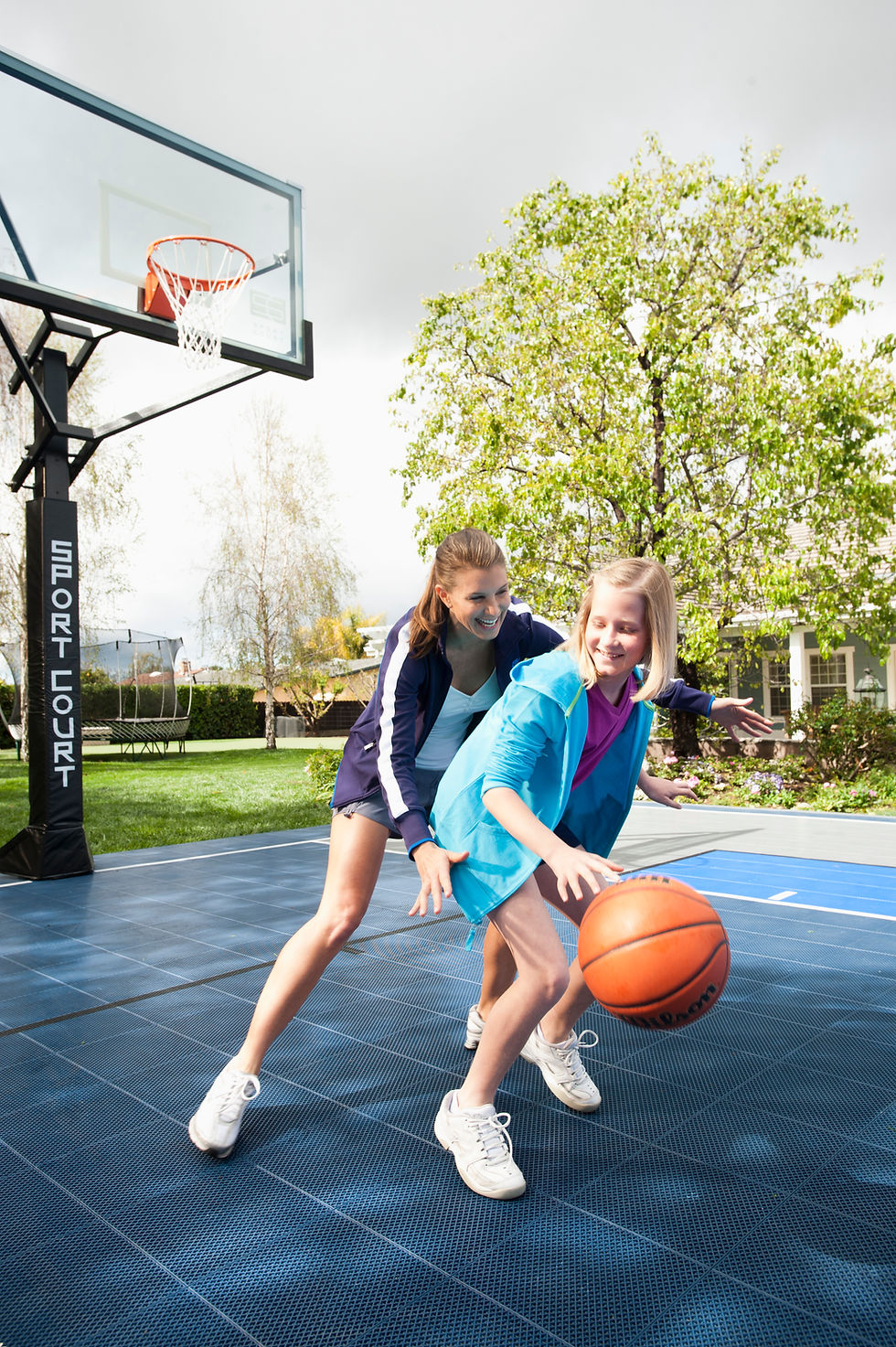
One of the biggest questions homeowners run into when planning a Sport Court is simple.
Should we build for one sport or multiple?
At first, the answer seems obvious.
Basketball family? Build basketball.
Pickleball family? Build pickleball.
But after working with families across North Dakota and Minnesota, we’ve seen something important happen over time.
How a family uses the court often changes.
That’s why this decision deserves more thought than most people initially give it.
What Most Homeowners Don’t Realize
When families first picture a backyard court, they usually imagine the sport they play right now.
But outdoor spaces evolve.
Young kids become teenagers.
Friends and neighbors start using the space.
Different sports become popular.
Five years from now, the way your family uses the court may look completely different than it does today.
That does not automatically mean everyone needs a full multi-sport setup.
But it does mean flexibility matters.
When a Single-Use Court Makes Sense
There are situations where a dedicated single-use court is absolutely the right choice.
Basketball is the most common example.
If the court is primarily for serious basketball use, keeping the layout focused can make the space cleaner and more functional.
The same can apply for dedicated pickleball players.
Single-use courts often make sense when:
The space is limited
One sport clearly dominates
You want the cleanest possible layout
Performance for a specific sport matters most
A focused court can feel simpler and more intentional.
Where Multi-Sport Courts Shine
Multi-sport courts work best for families who want flexibility.
That usually means:
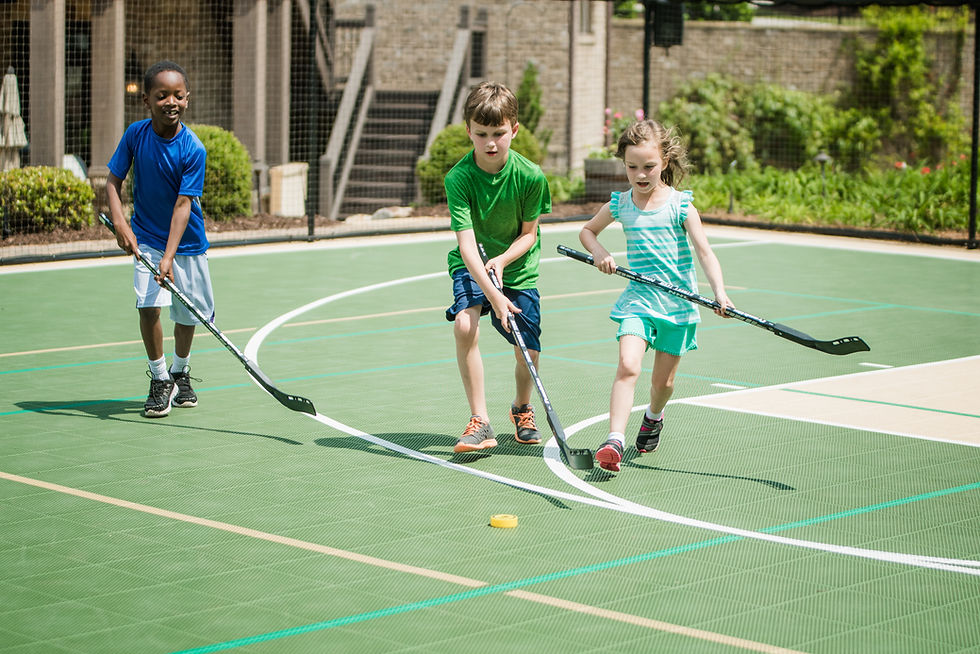
Basketball and pickleball together
General recreation
Kids of different ages
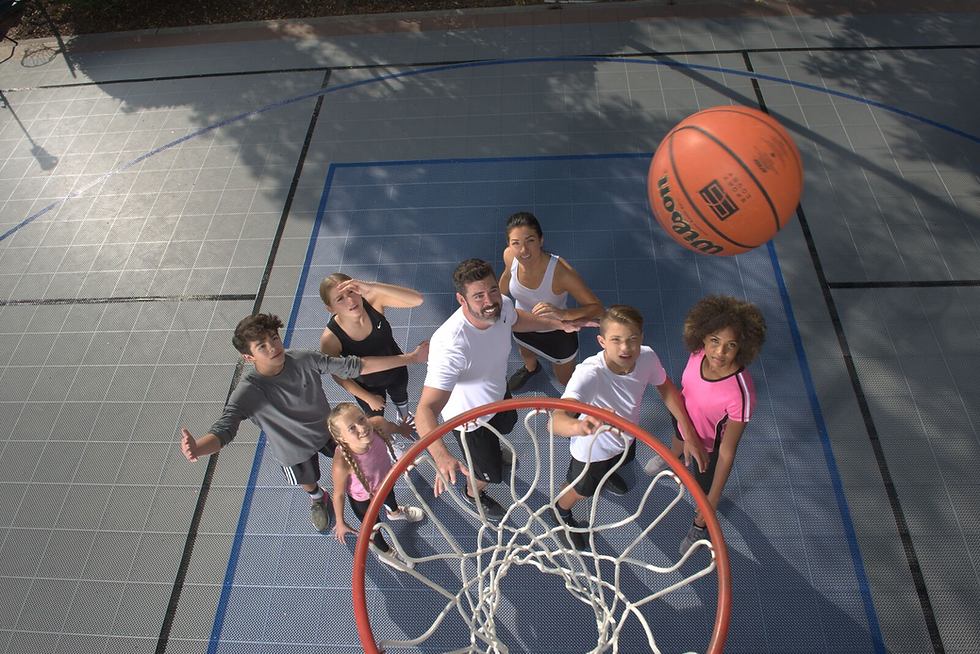
Neighborhood use
These courts tend to become gathering spaces more than specialized athletic spaces.
We’ve seen families use them for:
Pickup basketball
Pickleball games
Rollerblading
Kids riding scooters
General backyard play
That versatility is where the value often shows up.
Think About How Your Family Actually Lives
This is usually the best exercise for homeowners.
Ask yourself:
Who will use the court most?
old are your kids today?
Will teenagers still use it later?
Do neighbors and friends regularly gather at your house?
A lot of families initially think very specifically about sports, but the reality is the court becomes more of a social space.
That changes the conversation.
More Lines Does Not Always Mean More Value
One common misconception is that more features automatically make the court better.
That is not always true.
Too many game lines can make the surface feel cluttered. Trying to fit every possible sport into one space sometimes creates a court that is less enjoyable overall.
In many cases, the best multi-sport courts stay relatively simple.
Basketball and pickleball together is often the sweet spot for families.
A Real Example From the Field
We worked with a family that originally planned a dedicated basketball court.
The dad played often with the kids, and that was the main focus at first.
As we talked through how they actually used their backyard, the conversation shifted.
Neighbors regularly stopped over. Grandparents visited often. The homeowners realized they wanted the space to work for more than one activity.
We ended up incorporating pickleball lines while keeping basketball as the primary focus.
A couple years later, pickleball became one of the most-used parts of the entire space.
That is the kind of evolution we see all the time.
Space and Budget Matter Too
This decision also depends on practical realities.
A larger court creates more flexibility, but it also requires:
More site preparation
More materials
More overall investment
If space or budget is tighter, focusing on one primary use may make more sense.
The goal is not to maximize features.
It is to maximize use.
What We Usually Tell Homeowners
After 37 years in the industry, here’s what we’ve seen.
The best courts are not necessarily the biggest or the most complicated.
They are the ones families actually use consistently.
Sometimes that is a focused basketball setup.
Sometimes it is a flexible multi-sport space that becomes the gathering spot for the neighborhood.
The right answer depends less on trends and more on how your family lives.
Key Takeaways
Single-use courts work well for focused play and cleaner layouts
Multi-sport courts offer flexibility as families grow and interests change
More features do not always mean better long-term use
Basketball and pickleball combinations are one of the most practical setups we see
The best court is the one your family will actually use regularly
Final Thought
A Sport Court is not just about sports.
It becomes part of how your family spends time together outdoors.
Thinking through how your needs may change over time is one of the best ways to avoid regret later.
If you want help thinking through layouts, sizing, or how families typically use these spaces long term, our team at Deckmasters is always happy to walk through real-world examples and help point you in the right direction.


Comments